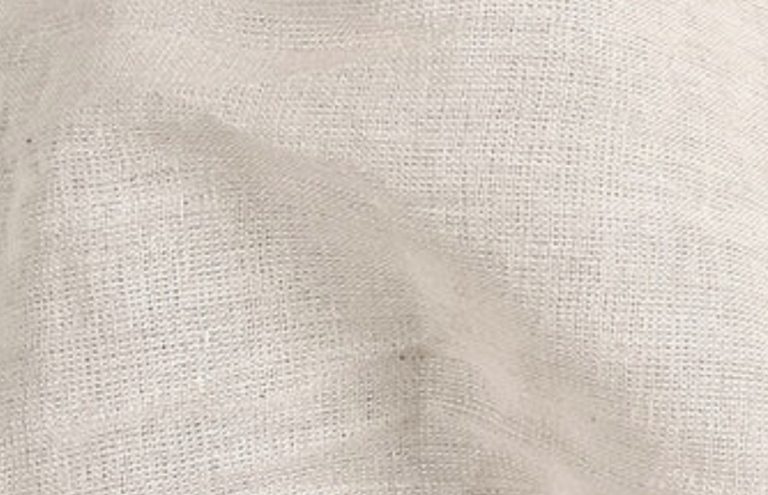
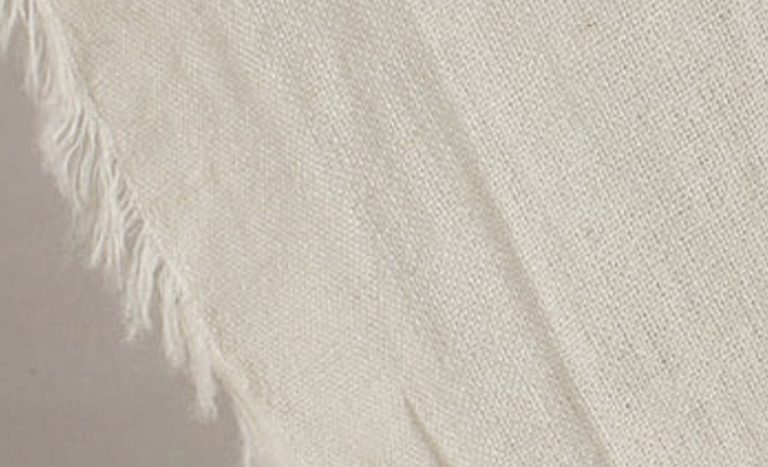
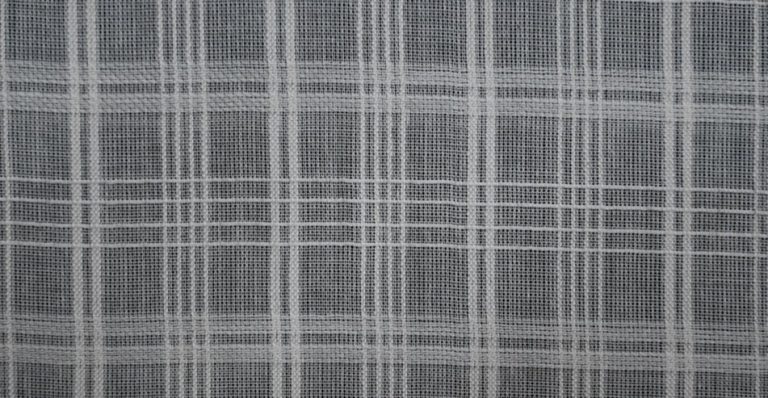
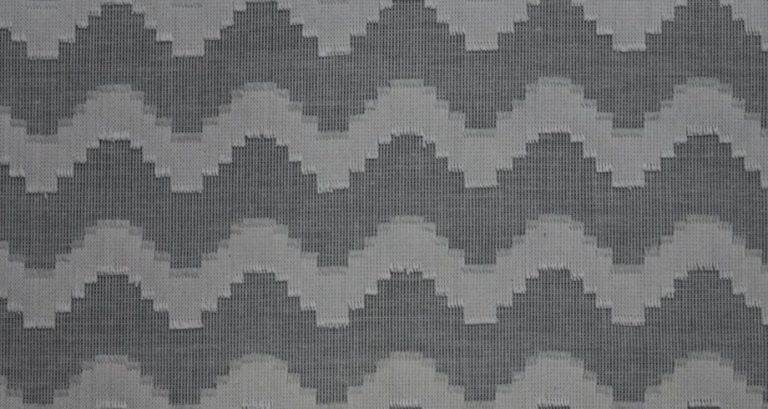
Unbleached and untreated woven cotton, directly from the loom as a critical intermediary product in the textile manufacturing with its readiness to be further processed, dyed, printed, or finished according to specific industry needs
WovenGreigeCotton55gsm1
WovenGreigeCotton140gsm2
WovenGreigeCotton55gsm2
WovenGreigeCottonDobbyCheck
WovenGreigeCottonJaquard
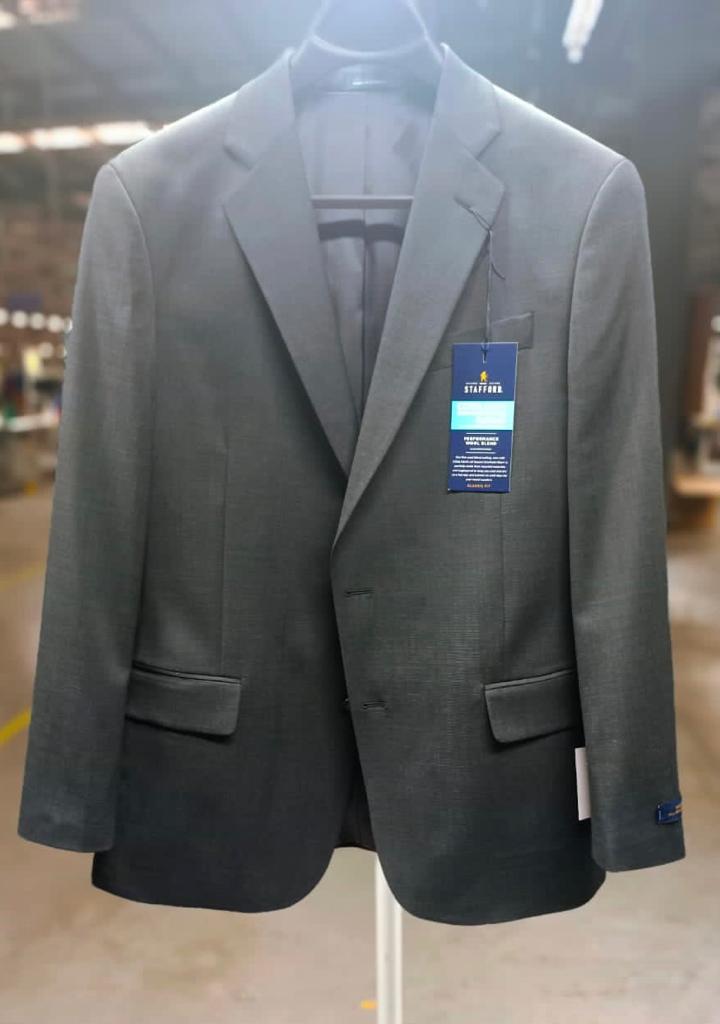
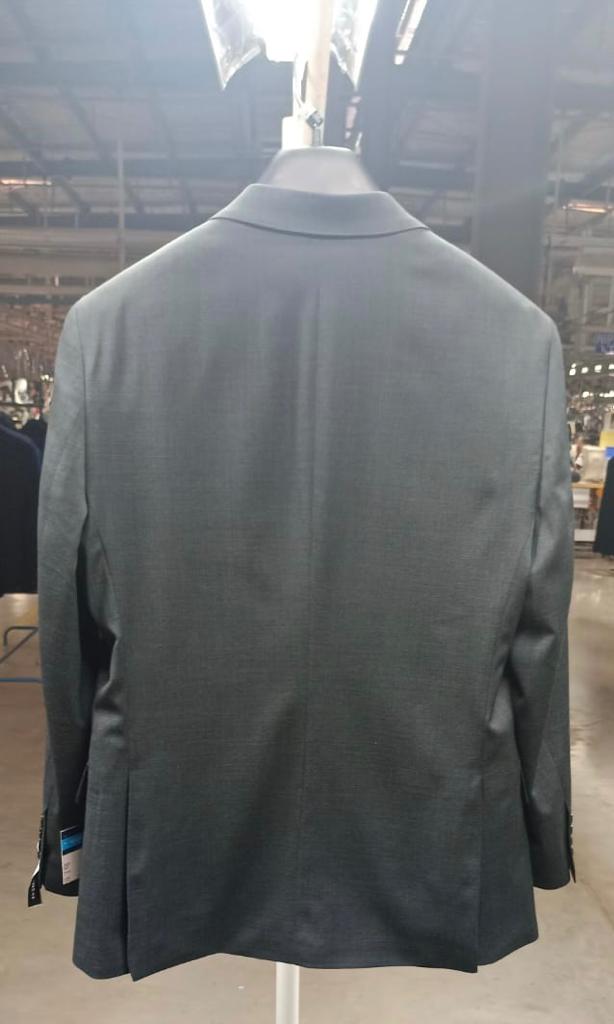
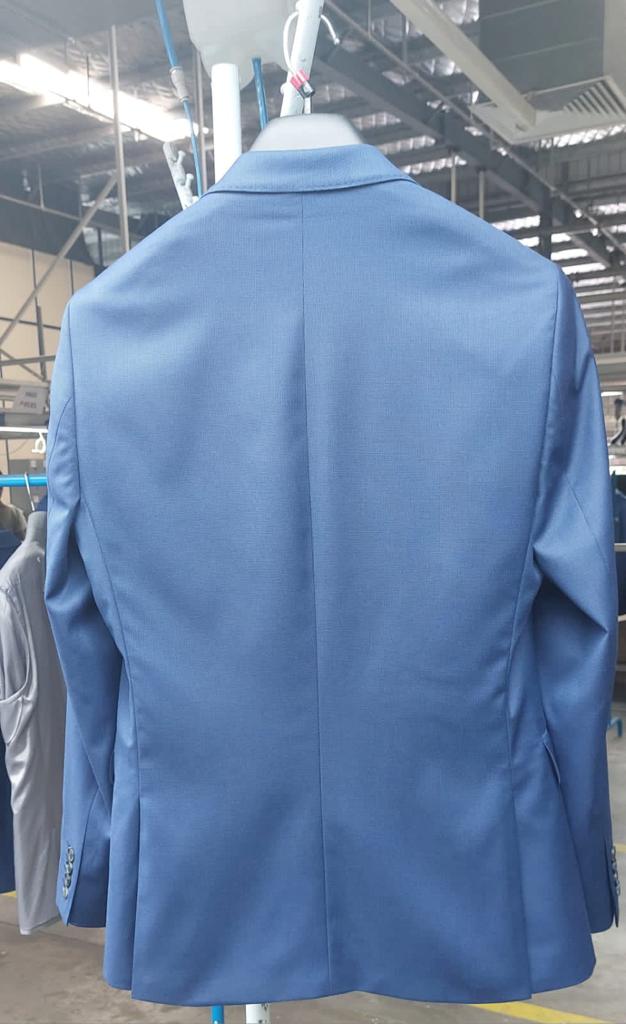
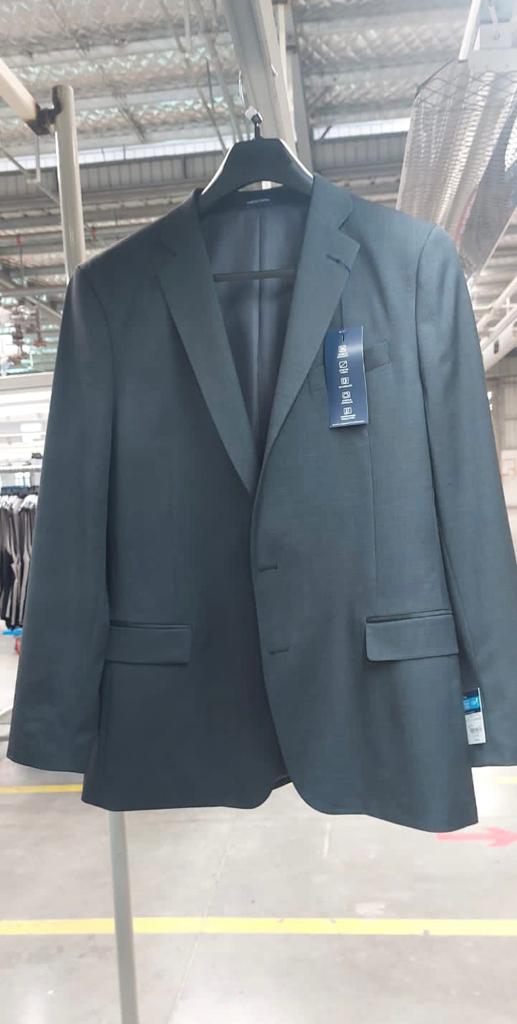
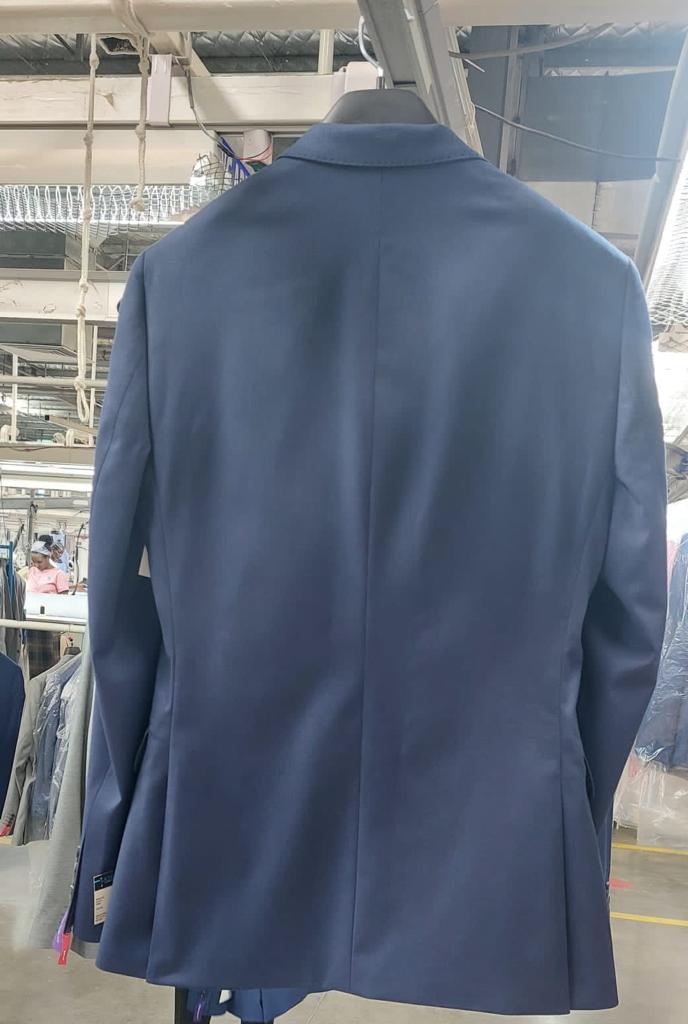
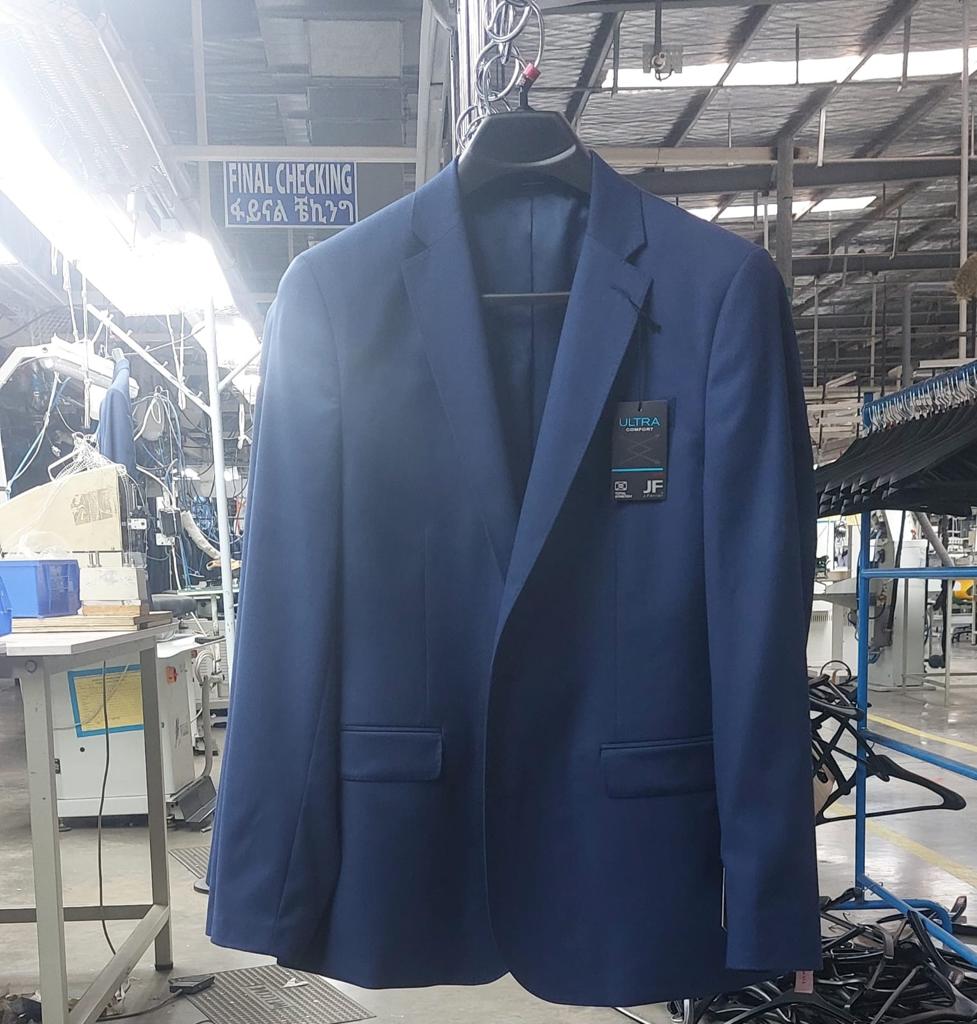
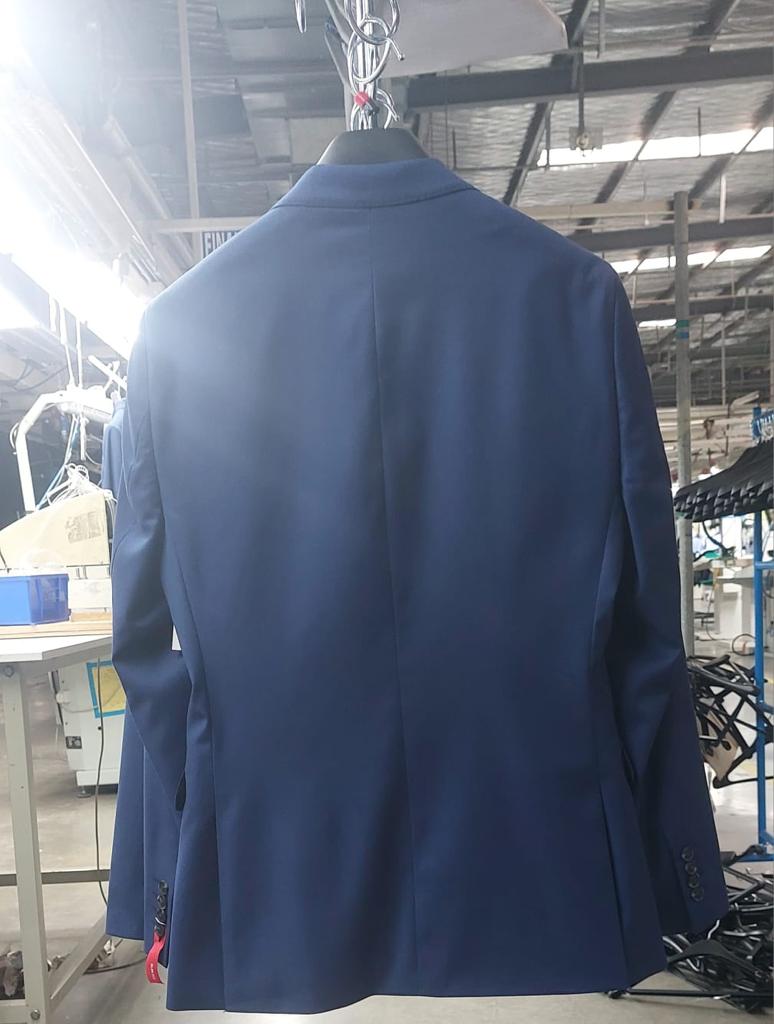
Men's Officewear
Jackets, Waistcoats and Formal Trousers
Fabric from India's finest mills and clothing manufactured by them in their exclusive manufacturing facilities across the World...
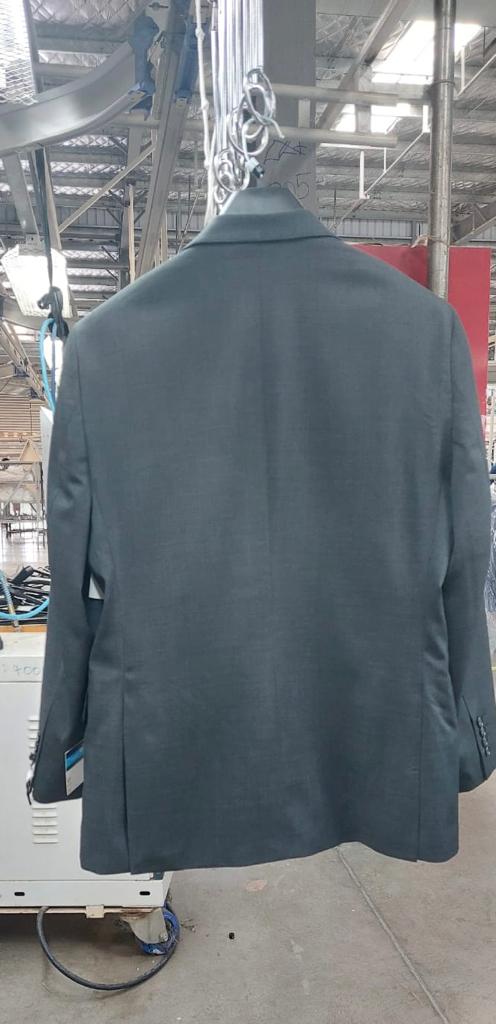
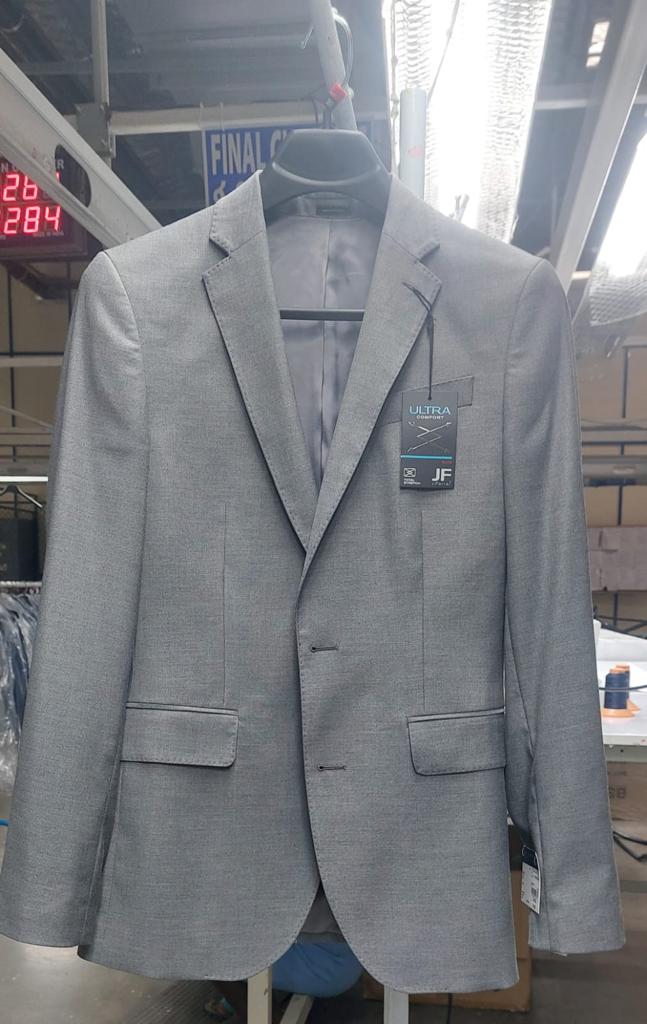
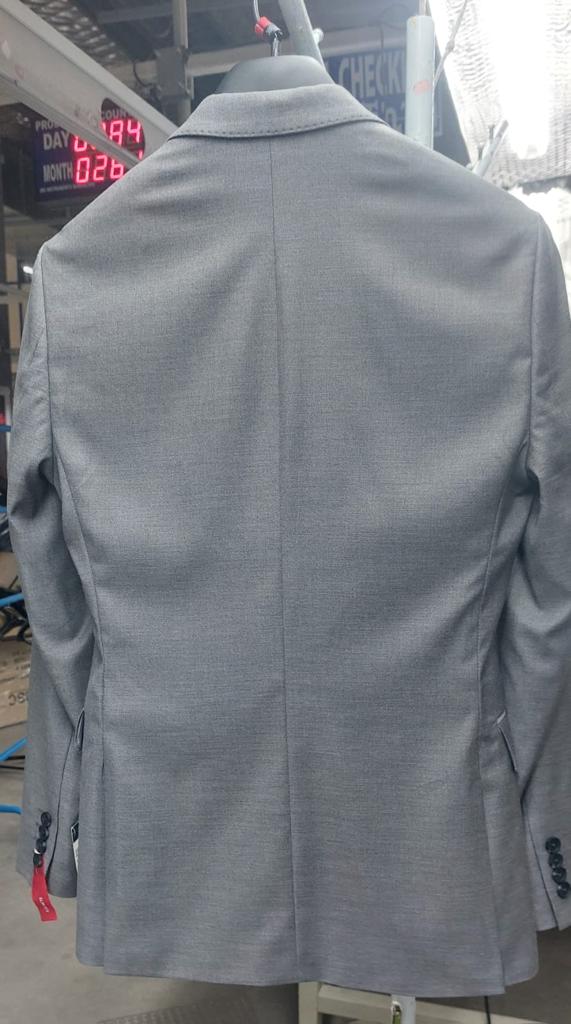
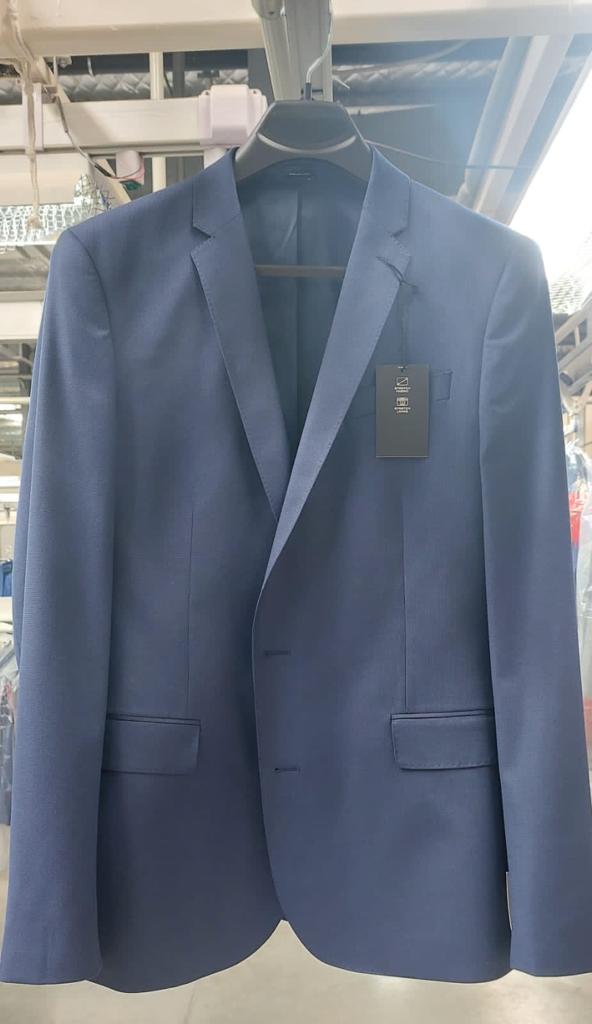
Surplus Men’s Office Wear Stock-lots manufactured by India’s top fabric manufacturing company for one of the largest brands in US are available for sale. About 4000 to 6000 Jackets Waistcoats and formal trousers can be dispatched per container. These may be branded with your custom labels at additional costs. Click on any image for viewing larger images in a gallery.
Industrial Wear & Gloves
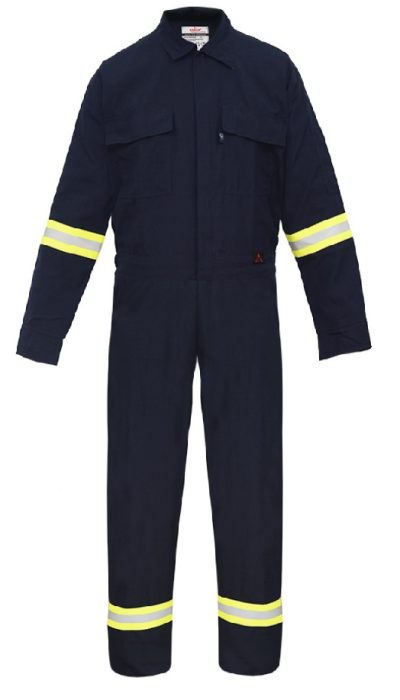
Protective Workwear Advance reflective tape design on chest, back, arms and legs High quality thread of contrast color used for stitching 2 way zipper Highest quality concealed front zipper used in manufacturing Cuffs with snap button closure New design with contrast color piping on pockets and collar.
Certification: CE category -1
Flame Resistant Protective Workwear Highest quality concealed front zipper Pen/small tool holder Show elasticated waist Pockets on chest, back and legs
Certification: CE EN ISO 13688:2013 EN ISO 11612:2015 (Ratings: A1, A2, B1, C1, F1) EN 1149-5:2018 IEC 61482-2:2018 (Rating: (4kA) APC=1)
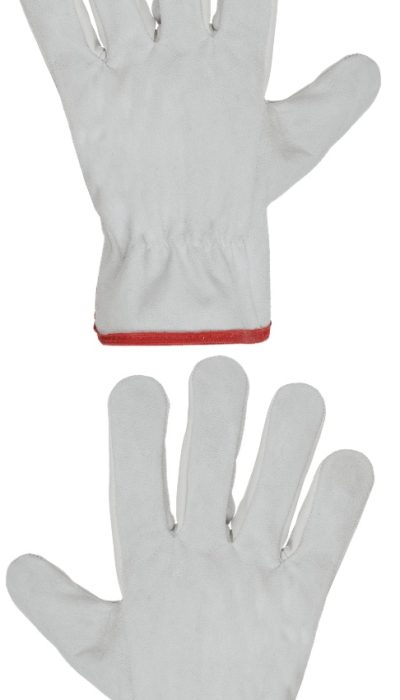
Drivers Gloves. A white grain leather palm and split leather back, offers a balance of softness and strength. The style 4 tips and shirred elastic with binding tape ensure a perfect fit, enhancing your work experience.
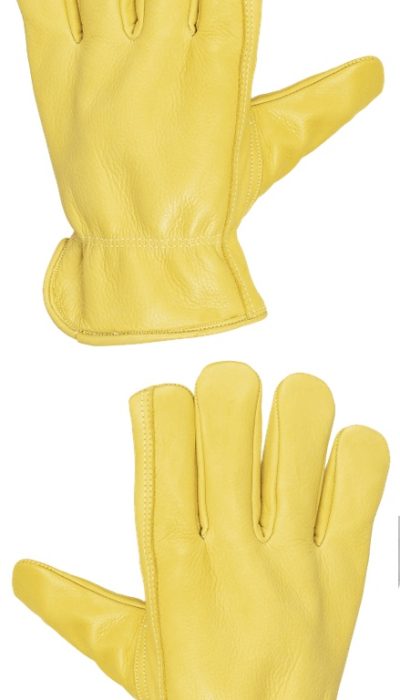
GLOVES : KNITTED FABRIC Premium grade yellow color Cow grain driver gloves with patch palm in split leather provides dexterity and abrasion resistance,knit liner delivers an optimal fit and dependable cut protection LEVEL 3
INSIDE LINNING ANTI CUT LEVEL 3 Added protection with key stone thumb with extended leather hemmed (folded edge), shirred elastic back.
Test Method / Standard BS EN 388:2016+A1.2018 Protective Gloves against mechanical risks Blade Cut Resistance (Coupe test) Performance Level 3
A-3.1 The specimen of cargo net is spread out on the floor sacks containing Gunny sand and each weighing between 30 and 50 kg are spread uniformly over the mesh cords until a total mass which is 25 per-cent in excess of the safe working load is reached.
The specimennet is then lifted by means of its hands off’ the floor up to a distance of at least 500 mm.
A-3.2 The net remains suspended for five minutes and is then lowered on the floor and the load removed.This net is then visually examined to check whether any fractures or splice slippages have taken place in the mesh cords, border cords and hands.
A-3.3 A specimen net which has been proof loaded as above and has, after this test, no fractures or splice slippages is deemed to working load as specified.
(IS : 11521 – 1985)
Our Cargo Nets were lifted off the floor and the crane made a 100 mtrs turnaround with the load.
Net Safety Guidelines
B-1. GENERAL
B-1.1 Cargo nets made from any material are liable to wear and to mechanical damage, and can be weakened to some extent by various agencies such as chemicals, heat and light. Regular inspection by a competent person is necessary to ensure that the nets are still serviceable.
B-1.2 It should also be emphasized that no matter what agency has weakened the net, the effect will be more serious on smaller size cordage than on the larger size cordage. Consideration should, therefore, be given to the relationship of the surface area of the cordage and cross section.
B-1.3 Inspection should be done by examination of the net in small sections, the cordage being turned to reveal all sides before continuing. At the same time the cordage should where practicable, be opened up to allow for internal examination.
B-1.4 To define a standard of acceptance or rejection is much more difficult than to describe the method of inspection. There can be no well defined boundary between nets that are safe and those that are not, because this depends on the stresses placed on the net in an emergency.
B-2. CAUSES OF DAMAGE
B-2.1 External wear due to dragging over rough surfaces causes filamentation. However, some type of filamentation is in a way effective, as this filamentation protects rope from further abrasion and damage.
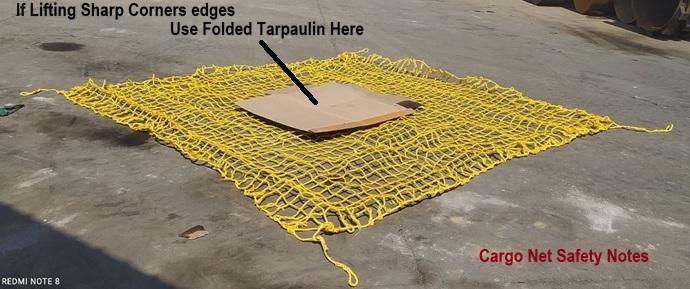
B-2.2 Physical cuts on the ropes of cargo nets can take place if the net is handling sharp edged items or comes in contact with other sharp edges. A net which has even one strand of any of its cords completely cut should be discarded immediately.
B-3. SPECIFIC CAUSES OF DAMAGE
B-3.1 Abrasion — Man-made fibre nets have very good abrasion resistance.
B-3.2 Overloading — The resistance of man-made fibre cordage to damage due to repeated overloading is excellent.
B-3.3 Chemical Attack — The chemical resistance of man-made fibre is in general very good and a brief description of the resistance to chemical attacks of the different man-made fibres is given below.
B-3.3.1 Resistance of polyamides to alkalies is good but the resistance to acids is poor. The resistance of the polyolefin (for example, polypropylene) to both acids and alkalies is good.
B-3.3.2 Resistance of man-made fibres to hydrocarbon oils and common organic solvent is good, although certain man-made fibres may swell in some chlorinated solvent. Attack by concentrated phenols on polyamide fibres is severe and contact should be avoided.
B-3.3.3 As a general rule, if acids or alkalies of any concentration are brought into contact with a man-made fabric net, they should not be allowed to dry off and thus concentrate the chemical, but the net should be washed out well and taken out of service. Advice should be taken on the most suitable material if a net is to be used in an environment where chemical contamination is likely.
B-3.4 Heat — Nets should not be subjected to excessive heat, fire or steam and as a general rule, they could be damaged by falling sparks or molten metal from welding equipment.
Cargo Nets
The decision whether to continue to use a net or to take it out of service should be based on an assessment of the general condition of the net. This is necessary because many of the conditions that will guide the competent person cannot be exactly described but only stated in general terms. If, after examination, there should be any doubt about its safety, it should be withdrawn from service. It should again be emphasized that the effects of wear and mechanical damage are relatively great on thinner cordage, which therefore requires more stringent standard of acceptance.